Rebuilding the aerospace and defense composite supply chain.
AI Native Composite Factories
Raven builds automated production systems for critical composite structures. Our MAD platform deposits, cures, and monitors material in one process, removing hard tooling, hand layup, and autoclave queues from production.
Solid Rocket Motors
Nozzles, throats, ablative liners, and case insulation.
Hypersonics
Leading edges, control surfaces, and thermal protection.
Missile Defense
Interceptor structures, radomes, and hot-section hardware.
Munitions
Composite airframes and cases at production rate.
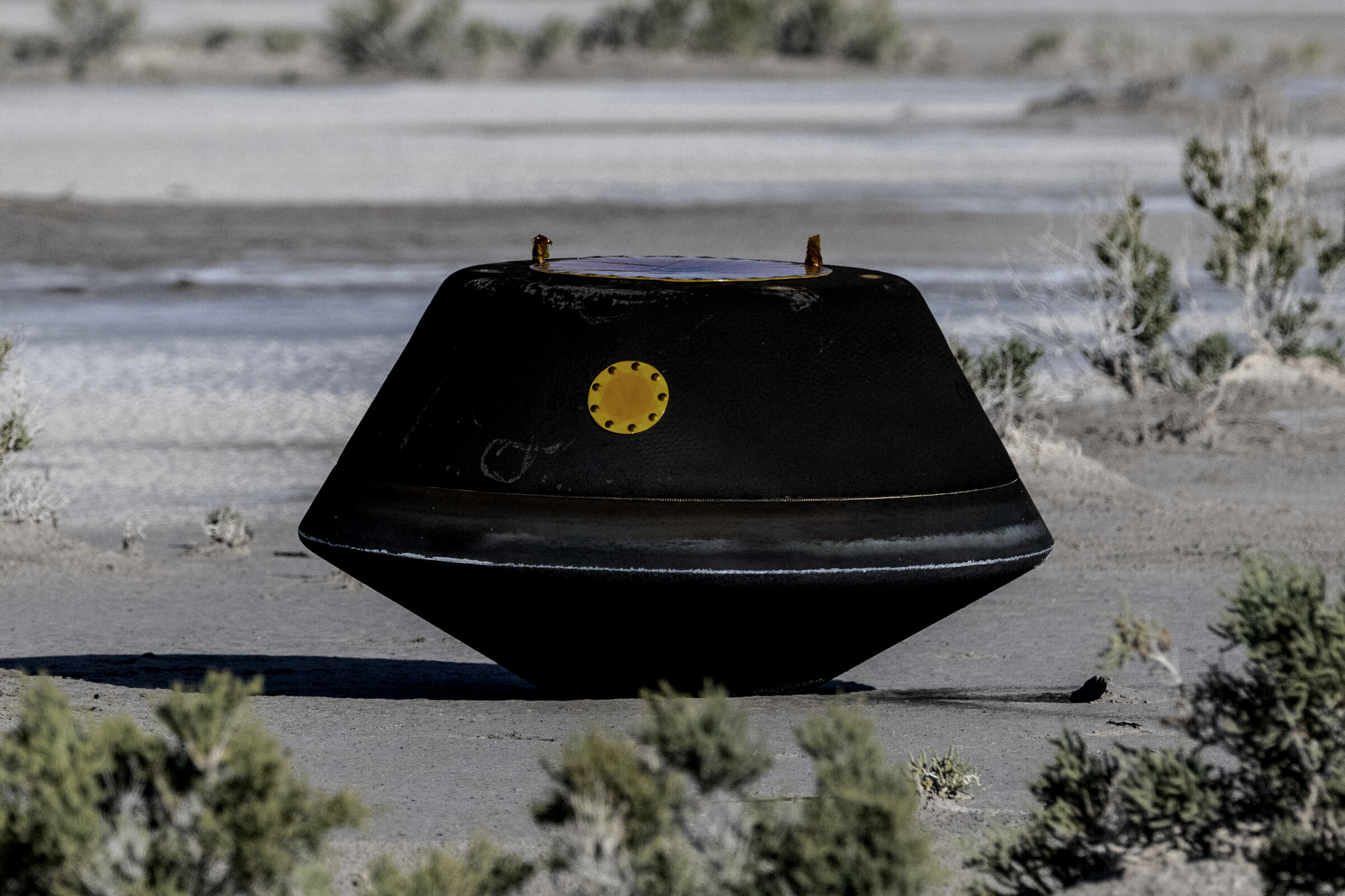
Reentry
Heat shields and aeroshells for capsules returning from orbit.
01The MAD Platform
Composite structures, printed and cured in one automated process.
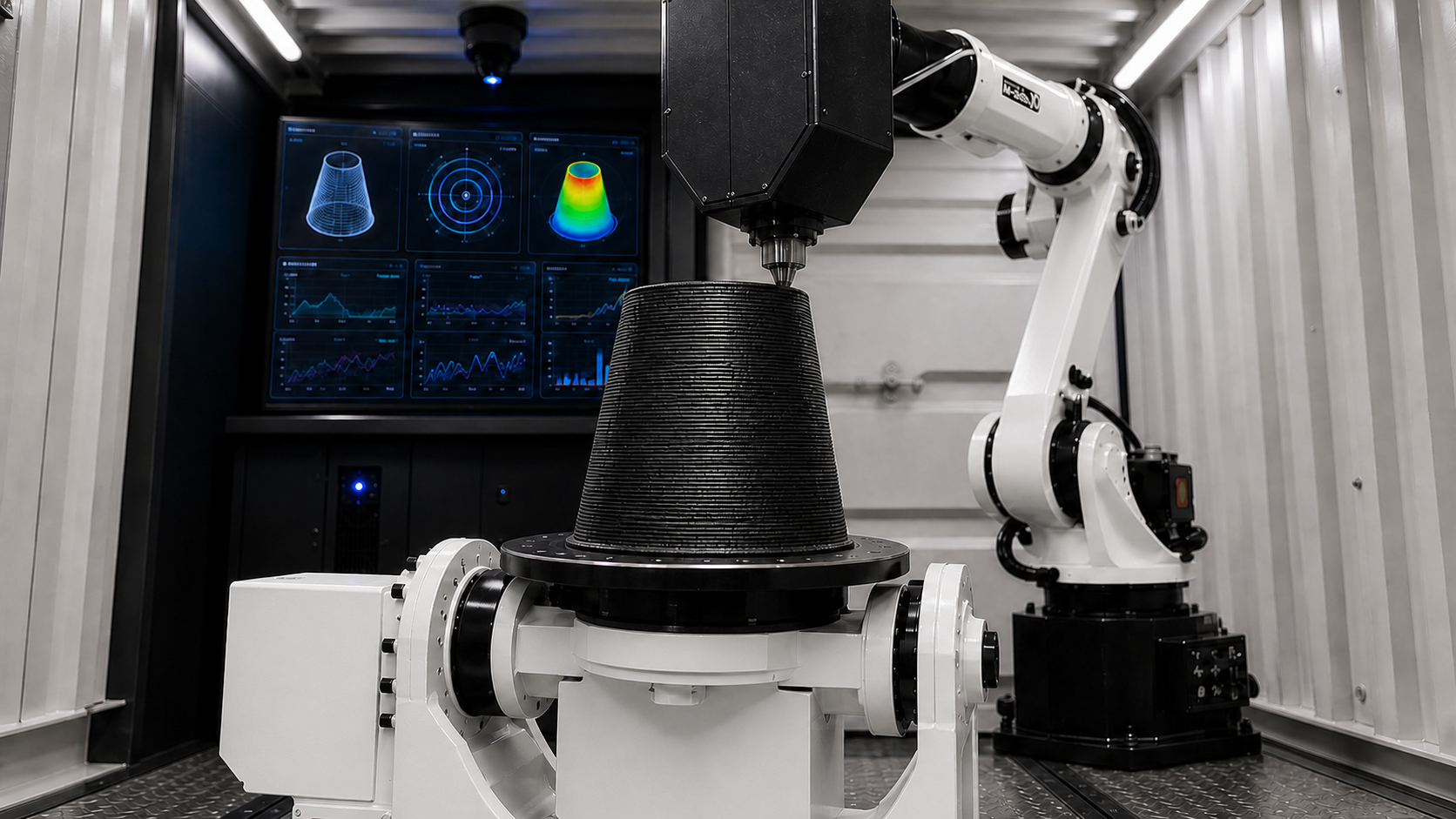
Raven's Microwave Assisted Deposition (MAD) platform robotically deposits composite material and cures it with microwave energy as the part is built. MAD replaces molds, hand layup, and separate autoclave cycles with a software-controlled production cell.
No Hard Tooling
Geometry changes are software changes. No molds, mandrels, or release constraints in the loop.
Automated Work Cells
Robotic deposition replaces hand layup, so throughput scales with machines, not touch labor.
Cured During Printing
Microwave energy maintains the optimal cure state during deposition. No autoclave is required.
Minimal Post-Processing
Near-net-shape printing leaves only critical tolerance features for final machining.
02AI Closed-Loop Control
Live sensor feedback drives real-time motion and cure control.
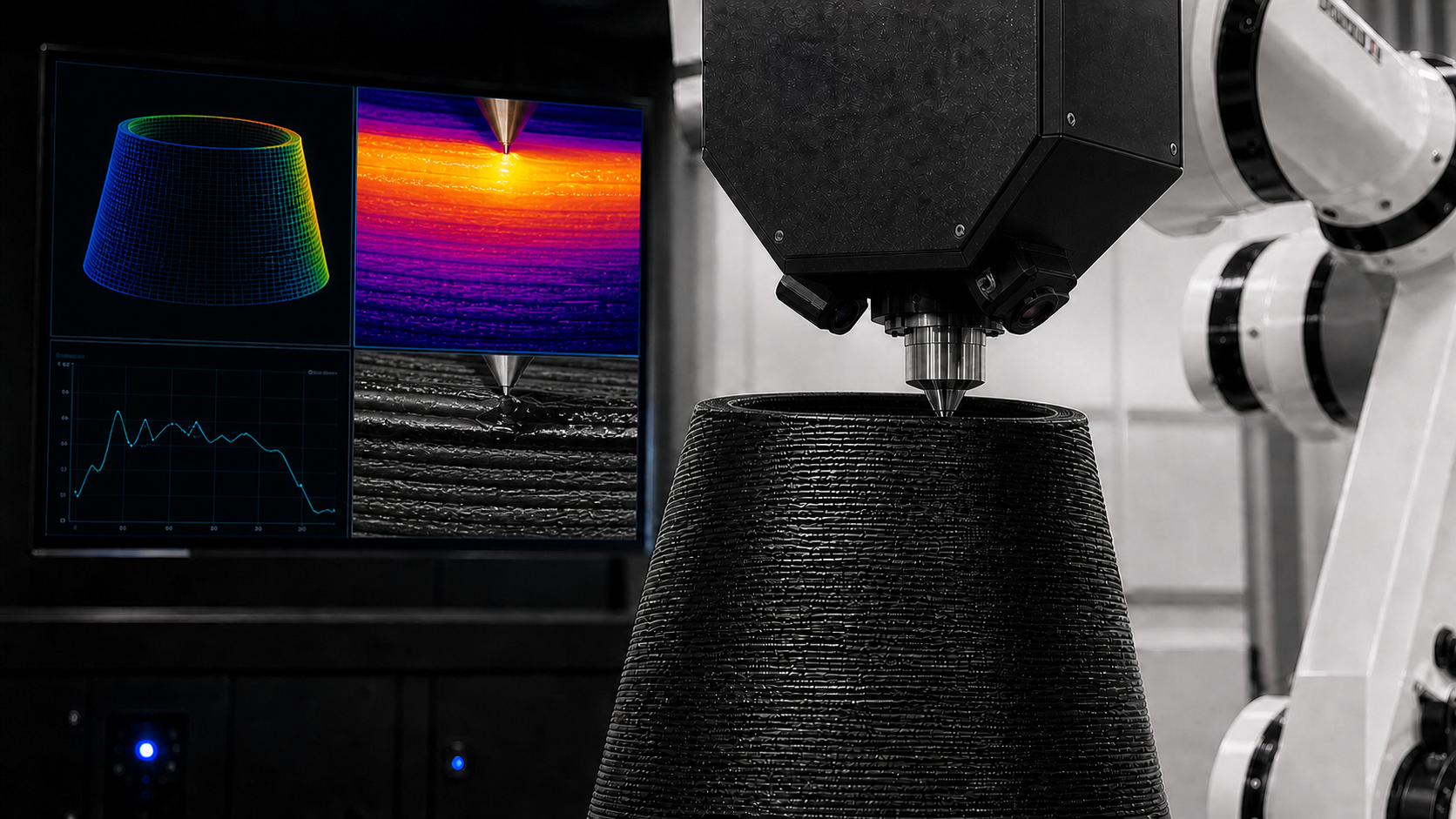
Process telemetry measures the part against its digital build state. Raven's AI models detect drift and update deposition and cure parameters before the next pass, closing the loop inside the build instead of after it.
Sense
Process telemetry observe bead geometry and cure state as material is deposited.
Model
Raven models compare the live build state against the nominal geometry and process window.
Correct
Path, flow, and cure inputs update in-cycle so deviation is addressed before the next pass.
03The Supply-Chain Constraint
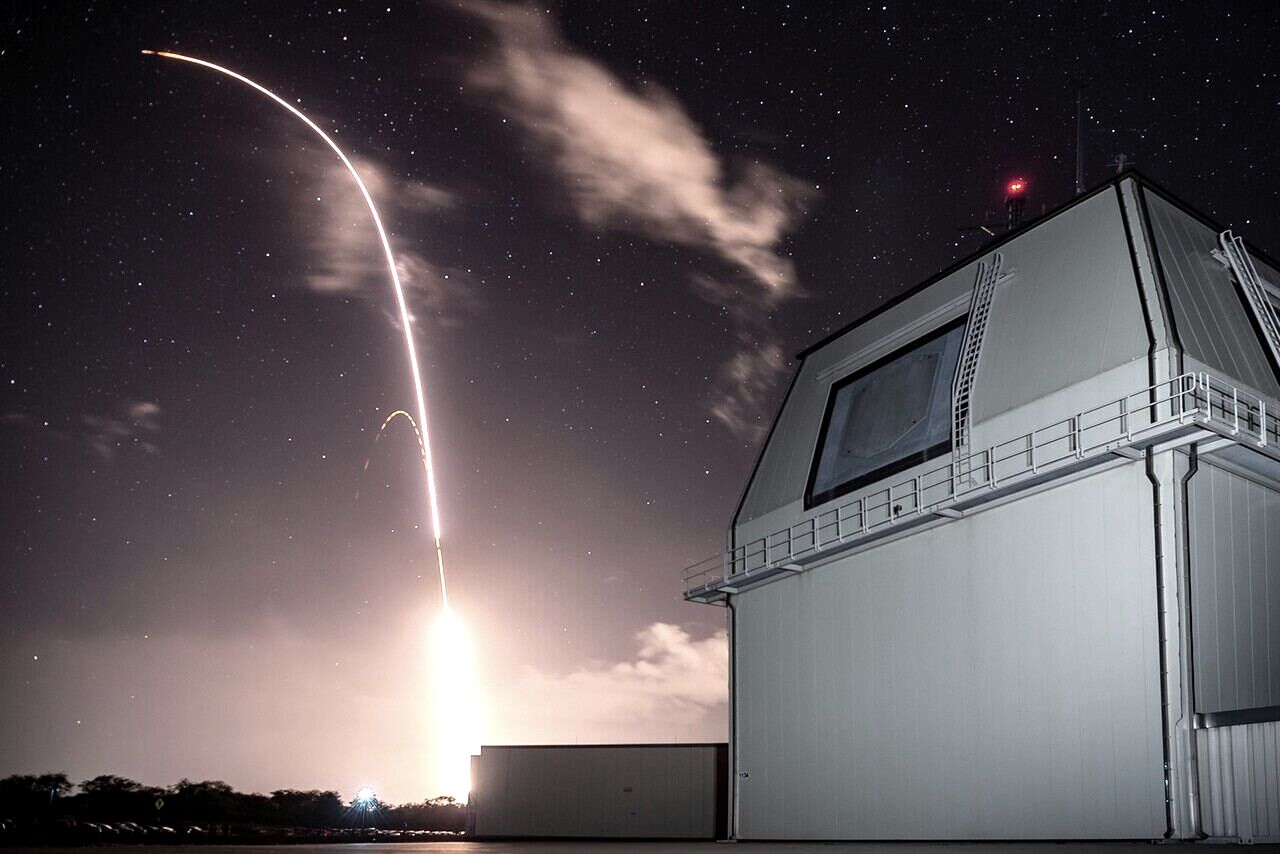
The industrial base cannot produce critical composite hardware fast enough.
Demand for motors, interceptors, hypersonic systems, and aerospace structures is rising faster than tooling-bound production can respond. Once Raven establishes a process for a part, production scales by adding automated cells instead of duplicating tooling and touch labor.
Rate
Capacity scales with machine count, not with certified touch labor.
Traceability
Material lot, path, cure history, and inspection stay attached to each part.
Responsiveness
New geometry enters production without a tooling program.
Placement
Cells deploy where programs need capacity, including point of need.
04Solid Rocket Motors
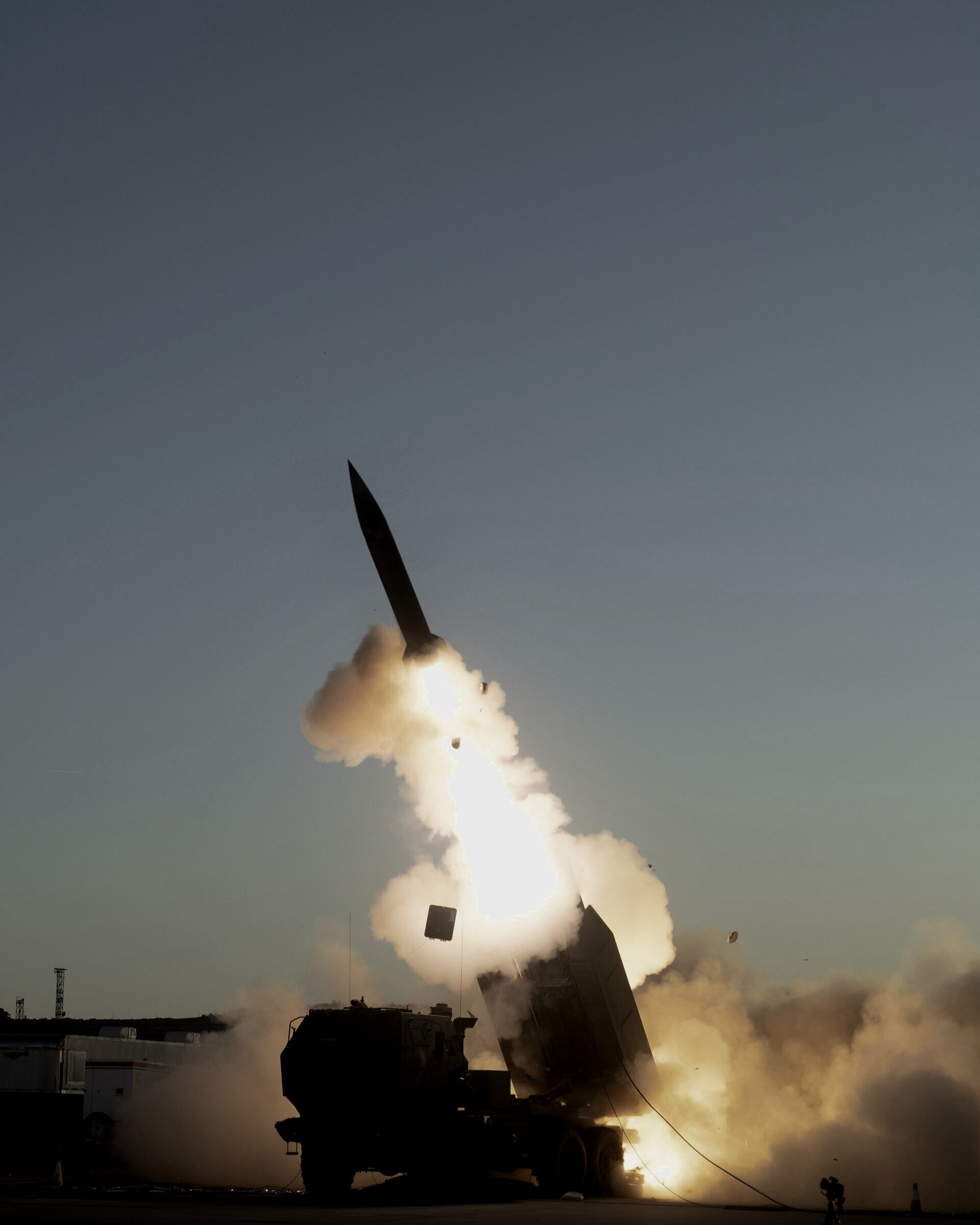
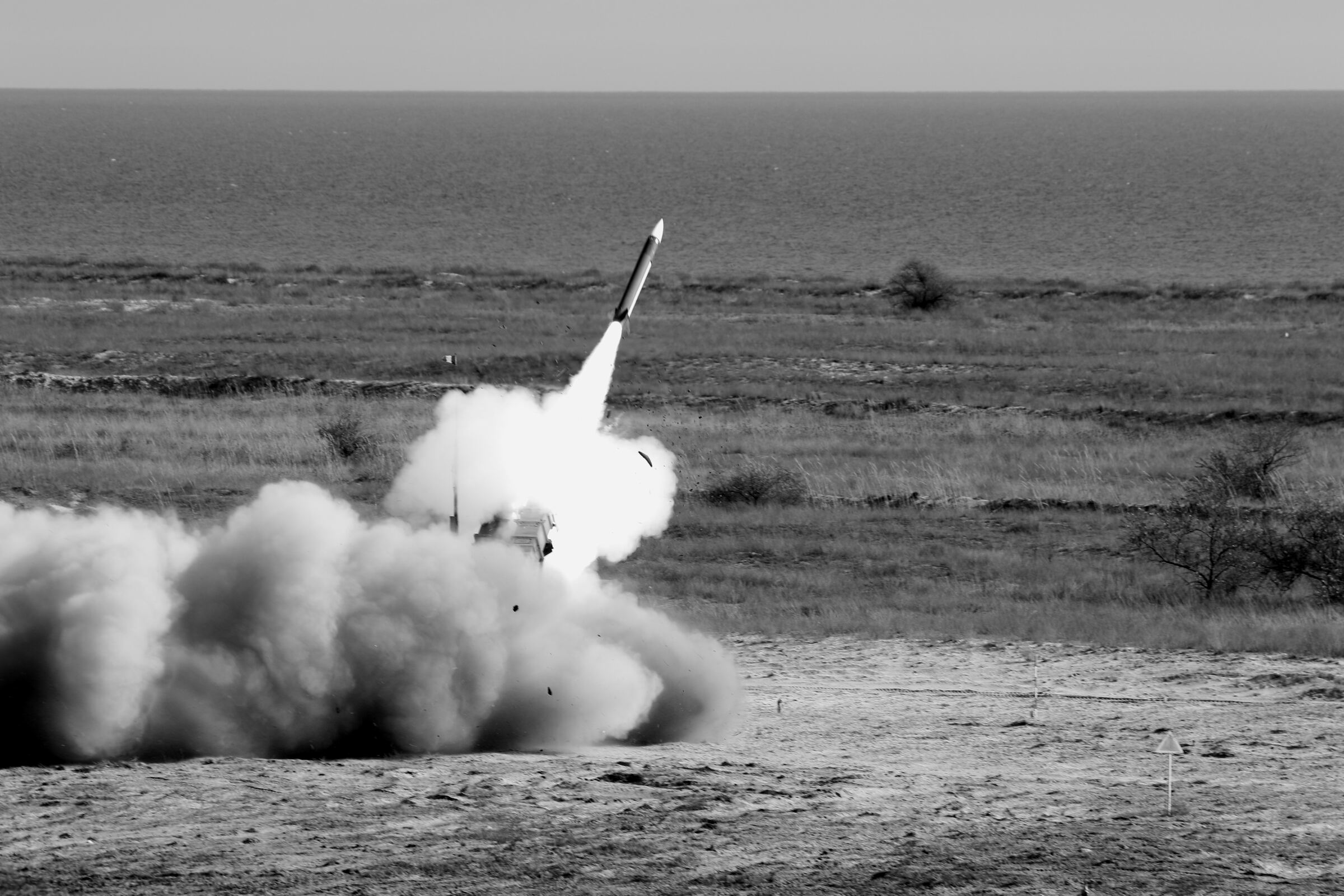
Critical solid rocket motor components without long-lead tooling.
Raven is applying MAD to nozzles, throats, and ablative insulation. These structures are still built by hand around dedicated molds and mandrels. Printing them directly from qualified chemistries removes tooling and separate cure cycles from the critical path.
05Materials Platform
New materials expand the mission envelope.
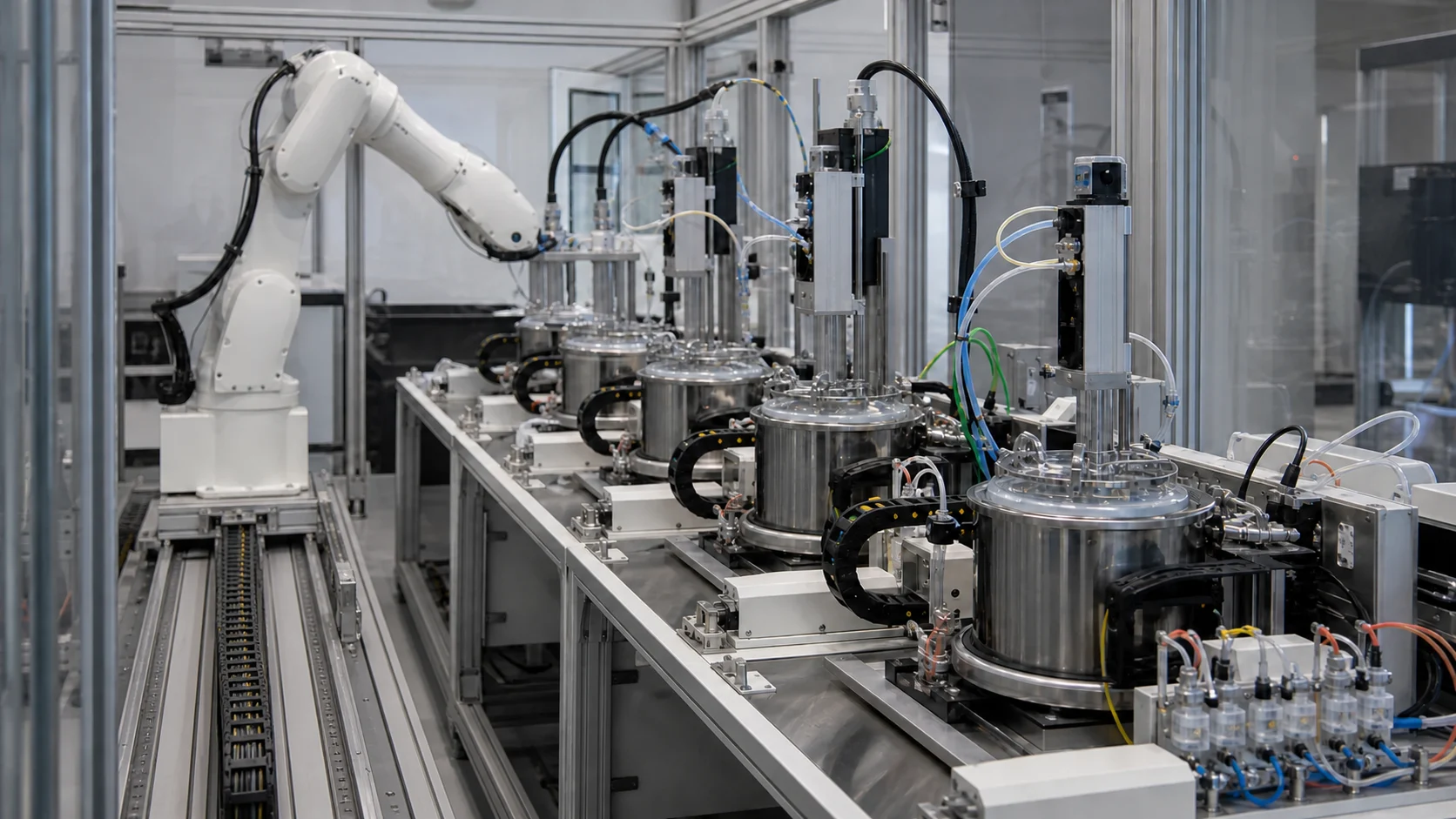
Raven is building an automated lab to formulate, mix, and screen composite feedstocks. The same robotic workflow moves successful formulations into repeatable, high-throughput production.
Thermoset Composites
Phenolic, epoxy, and silicone systems for insulation, structures, and RF-transparent hardware.
Ceramic Materials
Alumina and silicon carbide for seeker, hot-gas, and high-temperature components.
Hybrid Composites
Thermoset and ceramic material systems that combine scalable processing with higher-temperature performance.
06Across Aerospace & Defense
The same platform extends beyond propulsion.
Raven's materials and automated cells apply wherever programs need complex composite structures at higher rate, from tactical UAS and radomes to advanced airframes and reentry systems.



07Raven in Colorado
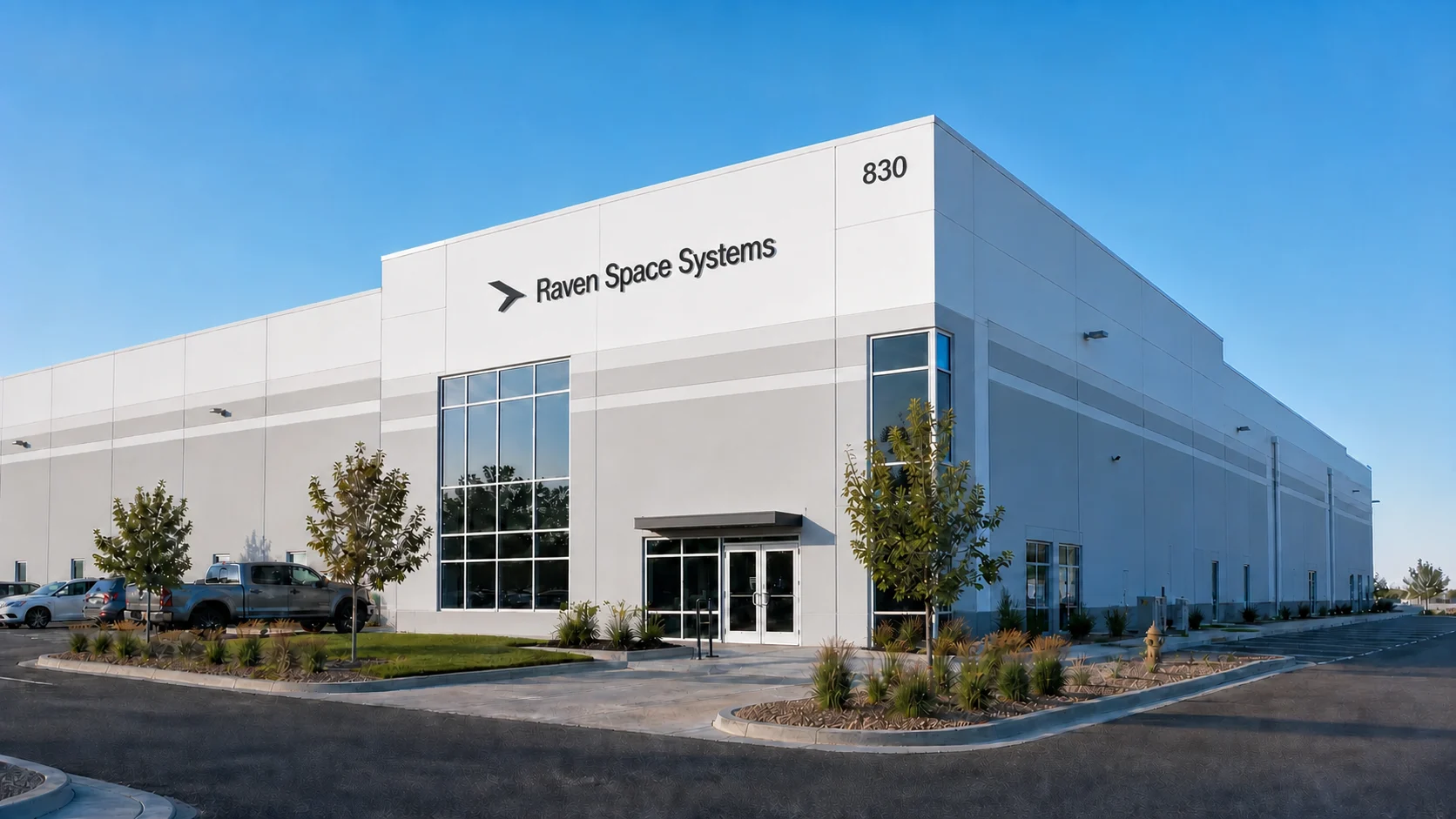
Building the factory in Broomfield.
Raven is bringing materials development, process control, and automated composite production together under one roof at our Broomfield headquarters.
830 Hoyt Street, Suite 100 · Broomfield, Colorado